
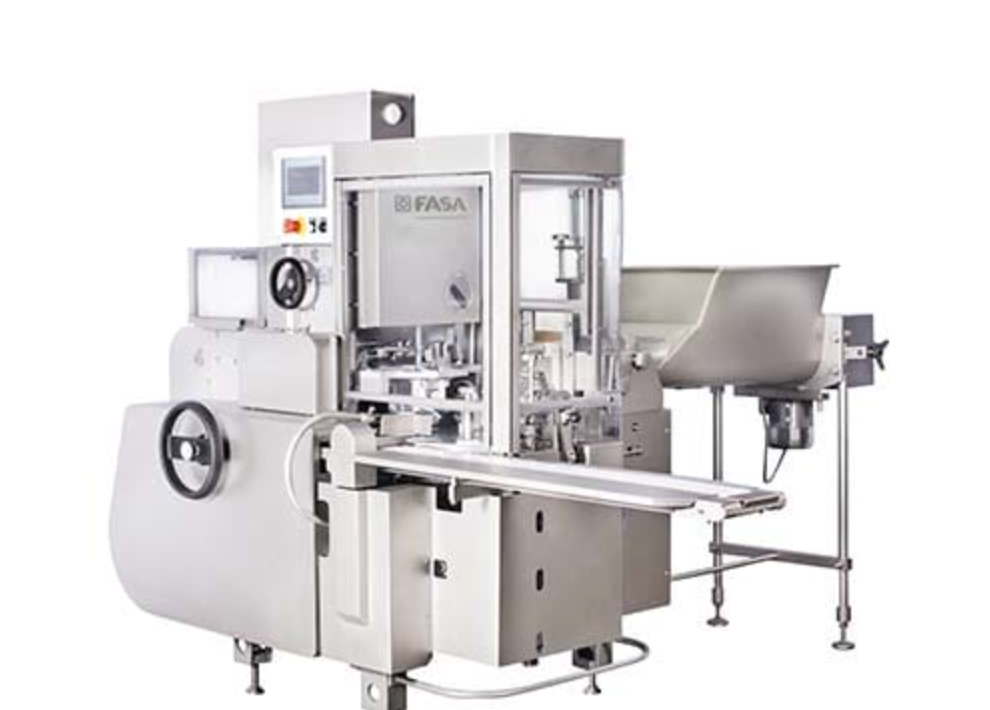
You want a butter packaging machine that runs reliably and fits your production needs. FASA’s ARM line packs butter and margarine into foil or parchment at consistent weights and shapes, with speeds that suit small to medium output lines. If you need accurate dosing, flexible portion sizes, and simple operation for blocks from 10 g to larger bricks, FASA machines deliver those core capabilities.
This post will show how FASA machines handle dosing, feeding, wrapping, and linking to secondary equipment so you can judge fit for your line. You will also learn about model options, support packages, and upgrade choices so you can plan purchase and service with confidence.
Table of Contents
Core Features of FASA Butter Packaging Machines
FASA machines focus on fast, consistent portioning, tight sealing, and easy changeover between brick sizes and materials. You get precise dosing, options for different pack shapes and a sensing system that keeps printed foil aligned.
High-Precision Filling and Wrapping
You receive a machine built for continuous butter filling and wrapping at steady speeds. The equipment uses a rotary forming system and volumetric dosing to create uniform bricks without leaving gaps or voids. This helps maintain consistent block weight and reduces rework.
Wrapping uses bottom-fold or stick-style folds and supports materials such as laminated aluminum foil, parchment, or ecoline. A photocell centering device senses the printed pattern on the foil and triggers accurate cuts and folds, so each pack is aligned and looks the same on the shelf.
Controls include PLC and HMI touch screens so you can set speeds, portion size, and change recipes quickly. Built-in safety covers and stainless-steel contact parts make cleaning and daily operation straightforward.
Flexible Brick Sizes and Packaging Types
You can switch brick height to change portion weight without major parts swaps. Standard models cover small consumer sticks (10–25 g) up to larger retail blocks (50–500 g), depending on the machine version you choose. This lets you run multiple SKUs on one line.
The machines form rectangular, semi-round, and stick shapes. You pick the shape that fits your brand and tray or carton format. Folding style and printing alignment stay consistent because the machine keeps foil centered with a photocell system.
Feed options include a hopper with augers or direct feed from the production line. That flexibility helps you match the machine to your butter cooling and transfer layout.
Dosing Accuracy and Product Integrity
The volumetric dosing system delivers repeatable portion weights and reduces product loss. Stainless-steel dosing parts and a rotary table with inserts limit hold-up and make hygiene checks easier. You maintain weight control across long runs.
Temperature recommendations (for example, butter around +10–+14 °C) keep blocks firm during forming and wrapping. The machine’s compensators and sensors prevent leaks and ensure seals close cleanly without tears in the foil.
Optional printers, UV lamps, and central lubrication add traceability and lower downtime. Spare-part kits and modular design let you replace wear items quickly to keep line uptime high.
Integrated Processing and Secondary Packaging
FASA integrates filling, wrapping, and end-of-line handling to keep throughput steady and reduce manual steps. Your line can include dosing, block forming, case packing, and optional reprocessing modules to handle quality and format changes.
End-of-Line Packaging and Case Packing
You can add a semi-automatic case packer to streamline carton loading and pallet preparation. The packer accepts wrapped bricks, groups them by count and orientation, and places them into cartons sized to your product. This reduces manual handling and speeds up shift changeovers.
Key points:
- Carton types: Standard corrugated cases, trays, or custom boxes.
- Adjustment: Quick height and width changes let you switch weights and brick shapes fast.
- Integration: Conveyor and timing controls sync with filling/wrapping to avoid backups.
- Benefits: Lower labor, fewer handling errors, and more consistent carton fill rates.
Reprocessing and Homogenization Capabilities
If a block fails spec or you need different pack formats, you can use reprocessing modules that cut, heat-condition, and rework cooled butter. A butter homogenizer or blending station evens texture and fat distribution before refilling.
What you get:
- Cutting and batching: Blocks are cut to size, then fed to homogenizer or mixer.
- Temperature control: Gentle warming lets you rework without melting or losing moisture.
- Dosing feed: Reprocessed butter integrates back into the dosing hopper for accurate fill weights.
- Traceability: You keep records of batch rework to meet quality and safety rules.
Leading Models and Related Equipment
This section explains key machines, what each does, and how they fit into a butter packing line. You will learn model strengths, typical capacities, and the auxiliary equipment that keeps a line running smoothly.
ARM and ARM B2/B3 Series Highlights
The ARM series from FASA AB focuses on block forming and wrapping for weights from small sticks up to 1 kg. You can expect quick height adjustments to change brick sizes and a photocell centering device that aligns printed wrapping material for consistent cuts. These features help you run mixed-package jobs without long changeovers.
ARM-B2 and ARM-B3 add model-specific differences. ARM-B2 targets medium-to-high speed runs with stable dosing accuracy for paste-type products. ARM-B3 offers options tailored for margarine or similar spreads and may include enhanced settings for softer products. You get spare parts kits and after-sales support designed for one- to two-year operation needs.
Key points:
- Supported pack types: rectangular, semi-round, stick-shaped.
- Quick changeovers for multiple weights.
- Photocell centering for printed pack material.
- Supplied spare parts and commissioning services.
Rotary Filling and Sealing with RFS 40
The RFS 40 is a rotary filler-sealer suited for continuous high-speed dosing and airtight sealing. It uses rotary indexing to feed portions into wrappers, which reduces turbulence and keeps fill levels consistent for viscous butter and spreads. The machine supports aluminum foil, parchment, and ecoline materials.
You should consider the RFS 40 when you need tight dosing tolerance and fast cycle rates. It can be fitted with a CIP system to speed internal cleaning between runs and reduce downtime. Integration points include synchronized conveyors, upstream portioners, and downstream case packers to form a compact end-of-line cell.
Benefits at a glance:
- Rotary motion for steady dosing.
- Compatible with several wrapper materials.
- CIP-ready options for faster sanitation.
- Easy integration with upstream and downstream machines.
Comprehensive Butter Production Line Solutions
FASA offers full-line options beyond single machines when you need a complete butter production setup. Typical lines combine continuous churners or butter-making machines, portioning units, ARM filling/wrapping machines, and RFS rotary fillers. You can add semi-automatic case packers like ORG models for carton loading.
Your line can include a CIP system for the processing and filling equipment, lowering cleaning time and improving hygiene. FASA provides installation, commissioning, and staff training during startup. Spare parts sets and upgrade paths let you keep the line running and adapt to new pack sizes or materials.
Support, Upgrades, and After-Sales Service
FASA provides on-site installation, hands-on training, routine maintenance checks, spare parts packages, and options for technical upgrades. You get trained staff, a stocked spare-parts kit, and access to upgrades to keep the ARM butter wrapping line running reliably.
Installation, Training, and Maintenance
FASA sends certified technicians to install the ARM machine at your site. They verify line alignment, electrical and pneumatic connections, and safety interlocks. Installation includes test runs with your product to confirm dosing accuracy and wrap quality.
Your operators receive hands-on training during commissioning. Training covers machine startup and shutdown, changeover between brick sizes, foil centering and photocell setup, and daily cleaning routines. You also get troubleshooting guides and a digital HMI manual.
For maintenance, FASA offers scheduled service visits and preventive checklists. Technicians can perform lubrication, wear-part inspection, UV lamp checks, and sensor calibration. You can contract periodic visits or call for ad-hoc service when needed.
Spare Parts and Technical Enhancements
FASA supplies a standard spare-parts kit sized for one year of operation. The kit typically includes sealing rings, gaskets, bearings, springs, and spare sensors. You can order a two-year kit or individual parts as production demands change.
After-sales support covers parts ordering and field replacement guidance. FASA can ship parts by air or sea depending on urgency and Incoterms you choose. They also keep records by machine ID to speed parts selection.
Technical upgrades are available from the manufacturer. Options include PLC/HMI updates, central lubrication systems, ink-jet or thermo-printers, and modified dosing units for different brick weights. Discuss specific enhancements with FASA so they can match upgrades to your throughput and packaging materials.